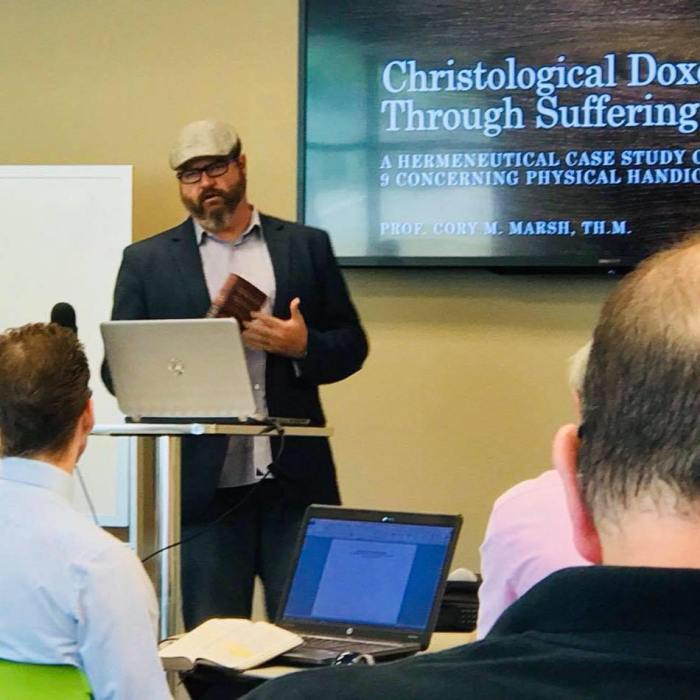
The Entrusted Conference at Indian Hills Community Church has just finished it’s conference for 2025. The topic for this years conference was Biblicism: The Battle for Authority.
Below is a link to the YouTube playlist for each of the speakers at the conference, as well as the conference booklet provided by Jesse Randolph.
It’s striking that in an era where Christian men champion biblical masculinity, we often shy away from discussing or debating biblical doctrines with one another. Engaging in these conversations isn’t inherently contentious. Acts 15 demonstrates that debate and discussion are necessary, especially when teachings arise that contradict God’s Word.
In this blog post, I aim to highlight some recommended dispensational commentaries. I’ve divided the list into two sections: first, full-volume or extensive commentary sets that I believe will be especially helpful; and second, notable single-volume commentaries worth considering.
While this list is not exhaustive—and there are many others I have not included or cannot personally vouch for—it serves as a solid starting point for those looking to build a dispensational library.
I’ve also included a more comprehensive list (taken from here, posted by John Brumett in 2017), which may be helpful to others exploring dispensational commentaries.
If you’re looking beyond the titles I’ve highlighted, this additional resource may point you in the right direction.
If you notice any key commentaries I’ve missed, feel free to let me know—I’ll continue updating this list as new resources become available.
As Christians we keep hearing from the pulpits that the redemptive-historical (christocentric) hermeneutic is the proper way to interpret the scriptures (hermeneutics -> homiletics), and that this is the method that Jesus and the Apostles used. We are told that we need to interpret the bible in light of the New Testament and this method then becomes the lens by which we read the Scriptures, particularly the Old Testament. Not only that, our preaching should be subject to a “christocentric” approach where Christ is read into the Old Testament and every text is subject to Christ. Every pericope then must be seen in light of Christ or the gospel to be functionally relevant to the audience being preached to.
Two excellent articles have been released relatively recently on the Journal of Biblical and Theological Studies website. My dear brothers James I. Fazio and Michael J. Vlach have each shared their respective positions on dispensationalism. James I. Fazio represents the Traditional Dispensational position, and Michael J. Vlach represents the Progressive Dispensationalism position.
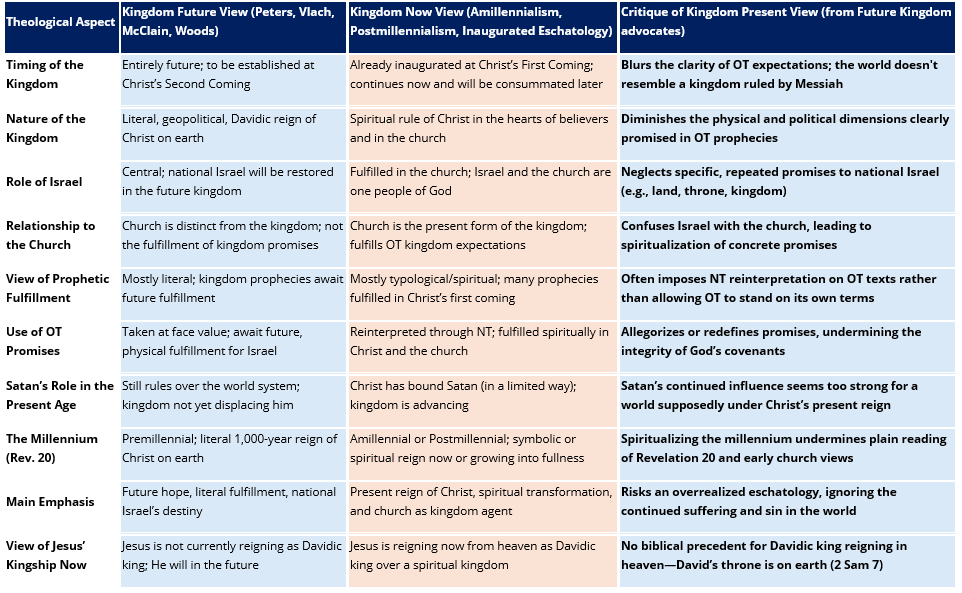
This critique will interact with Kenneth L. Gentry, Jr’s article called Definition where he outlines the basic structure of Postmillennial theology. This is by no means an exhaustive response to Postmillennialism, however it will address several concerns and areas of inconsistencies that I see surrounding his theology.
Luke 24:13-27 LSB And behold, two of them were going that same day to a village named Emmaus, which was sixty stadia from Jerusalem. 14 And they were conversing with each other about all these things which had happened. 15 And it happened that while they were conversing and debating, Jesus Himself approached and was going with them. 16 But their eyes were prevented from recognizing Him. 17 And He said to them, “What are these words that you are discussing with one another as you are walking?” And they stood still, looking sad. 18 And one of them, named Cleopas, answered and said to Him, “Are You the only one visiting Jerusalem and unaware of the things which have happened here in these days?” 19 And He said to them, “What things?” And they said to Him, “The things about Jesus the Nazarene, who was a mighty prophet in deed and word in the sight of God and all the people, 20 and how the chief priests and our rulers delivered Him to the sentence of death, and crucified Him. 21 But we were hoping that it was He who was going to redeem Israel. Indeed, besides all this, it is the third day since these things happened. 22 But also some women among us astounded us. When they were at the tomb early in the morning, 23 and not finding His body, they came, saying that they had also seen a vision of angels who said that He was alive. 24 Some of those who were with us went to the tomb and found it just exactly as the women also said, but Him they did not see.” 25 And He said to them, “O foolish ones and slow of heart to believe in all that the prophets have spoken! 26 Was it not necessary for the Christ to suffer these things and to enter into His glory?” 27 Then beginning with Moses and with all the prophets, He interpreted to them the things concerning Himself in all the Scriptures.